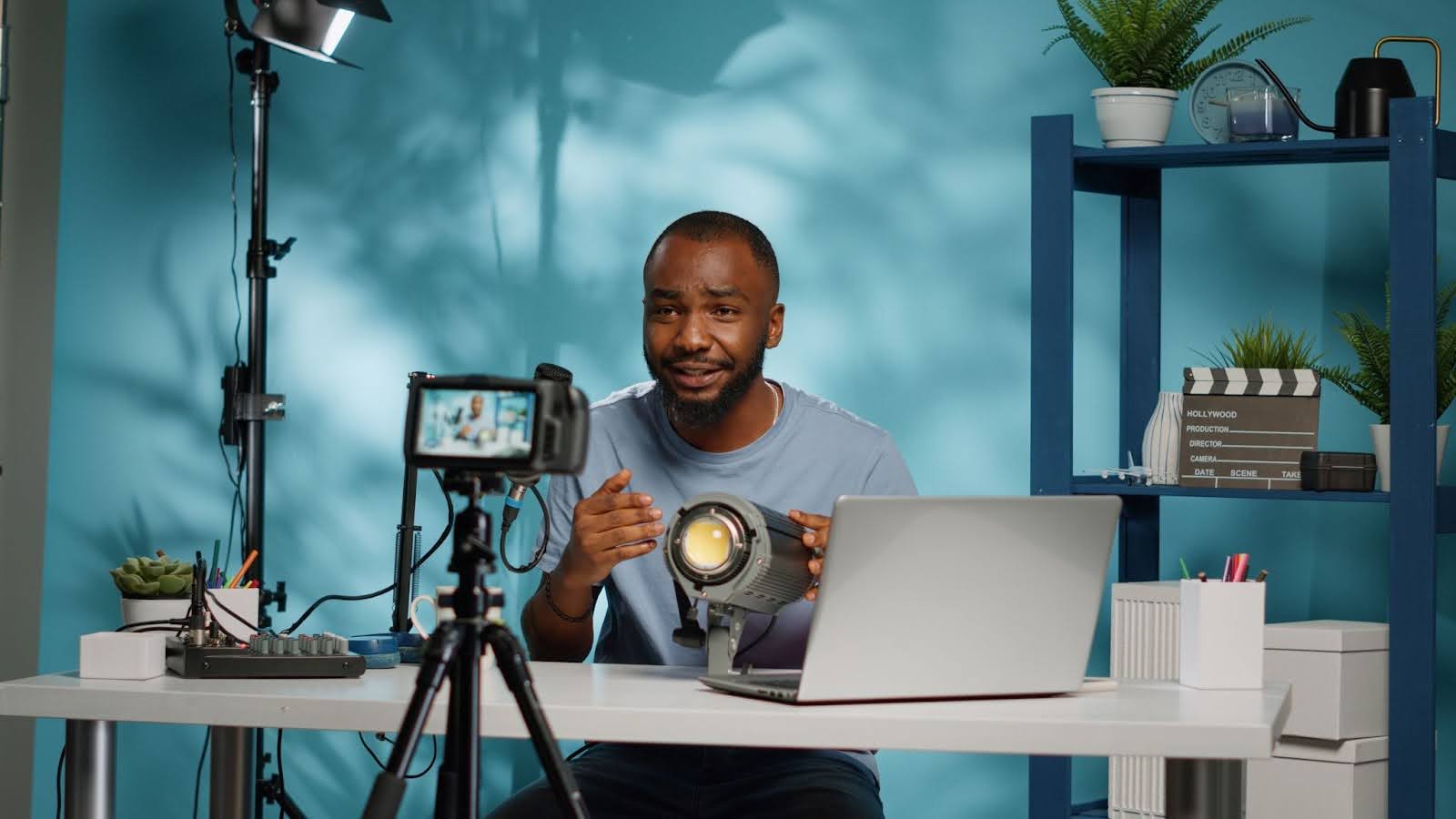

Video is no longer just a nice-to-have at events. It has become the backbone of how brands communicate, engage, and leave a lasting impression. Whether you are hosting a product launch, a corporate conference, or an awards night, the way your event is captured on camera shapes how your audience remembers it.
Modern brands are investing more in how their events look on screen. And that means the bar for quality, creativity, and strategy has never been higher. If you want to stay competitive, understanding where things are headed matters.
Table of Contents
Key Trends in Event Video Production
Emerging Trends Shaping How Events Are Filmed
The Rise of Hybrid Events and Remote Production
Interactive Experiences and What They Mean for Video
Live Events and the Demand for Immediate Content
Key Trends in Event Video Production
The landscape has shifted in the last few years. Audiences expect more. Attention spans are shorter. And brands need video that works across channels, not just on the night.
Here are the important trends driving the industry.
Emerging Trends Shaping How Events Are Filmed
Production companies are no longer showing up with a single camera and a tripod. The approach to filming events has become far more intentional and layered.
Some of the biggest emerging trends include:
- Multi-angle storytelling that captures audience reactions, speaker moments, and behind-the-scenes footage simultaneously
- Drone footage is used inside large venues to create cinematic wide shots
- Real-time editing, where highlight reels are delivered within hours of the event ending
- Vertical video capture is designed specifically for social media platforms like Instagram and TikTok
- Documentary-style production that follows the brand story throughout the entire event day
These shifts reflect a broader change in how brands think about video content. It is not just about documenting what happened. It is about telling a story that people want to watch again and share.
The Rise of Hybrid Events and Remote Production
One of the most defining changes in recent years is how brands now run hybrid events. These are experiences that blend in-person attendance with online participation, and they require a completely different production approach.
Remote production has become a genuine specialty. Production teams, including established video production Manchester teams, now manage live streams, virtual breakout rooms, and real-time audience interaction from multiple locations at once. The event space itself has expanded beyond four walls.
For brands running hybrid formats, this means thinking about two audiences at once. The people in the room and the people watching from a screen. Both experiences need to feel intentional and polished.
If you are based in Australia and looking for a team that understands this complexity, working with a specialist in event video production Melbourne can make a significant difference. Local teams bring the technical capability and the creative insight to handle hybrid productions from end to end.
Interactive Experiences and What They Mean for Video
Audiences are no longer passive. They want to be part of the experience, and smart brands are capturing that on camera.
Interactive experiences at events now include things like:
- Live polling and real-time Q&A filmed as part of the content
- Augmented reality activations that are staged and filmed for social sharing
- Mixed reality displays that blend digital and physical elements in the frame
- Attendee-generated content that gets woven into the official production
This kind of footage creates video content that feels alive. It captures reactions and spontaneous moments, which audiences trust more than polished scripted content.
Dream Engine is a Melbourne-based video production company that specialises in capturing events video with both creativity and precision. Their team works with brands across industries to deliver video production that goes beyond surface-level coverage. From pre-event planning to post-production delivery, they focus on creating content that works across multiple platforms and resonates long after the event is over.
Live Events and the Demand for Immediate Content
The window for publishing event content has shrunk dramatically. Brands used to wait days or even weeks for their event recap video. Now, live events are expected to generate content in real time.
This means production companies need to be ready to publish while the event is still happening. Same-day social cuts, live streaming highlights, and instant story-style clips are now standard expectations for professional event coverage.
Virtual reality is also beginning to make its way into live event coverage, offering immersive replays for audiences who could not attend in person.
Smart brands also plan for content repurposing from the start. A single event can generate a keynote recap, a series of short social clips, testimonial cutdowns, and a full-length brand film. Planning those outputs before the cameras roll means you get more mileage from every hour of footage captured on the day.
Wrapping Up
Event video production has evolved into a strategic discipline. It is no longer just about capturing what happened. It is about creating content that extends the life of your event and reinforces your brand long after the lights go down.
The brands that understand this are investing in the right production partners, thinking about distribution from the start, and embracing new formats without losing sight of the story they want to tell.
Whatever your next event looks like, make sure the video strategy behind it is just as well planned as the event itself.

Raghav is a talented content writer with a passion to create informative and interesting articles. With a degree in English Literature, Raghav possesses an inquisitive mind and a thirst for learning. Raghav is a fact enthusiast who loves to unearth fascinating facts from a wide range of subjects. He firmly believes that learning is a lifelong journey and he is constantly seeking opportunities to increase his knowledge and discover new facts. So make sure to check out Raghav’s work for a wonderful reading.